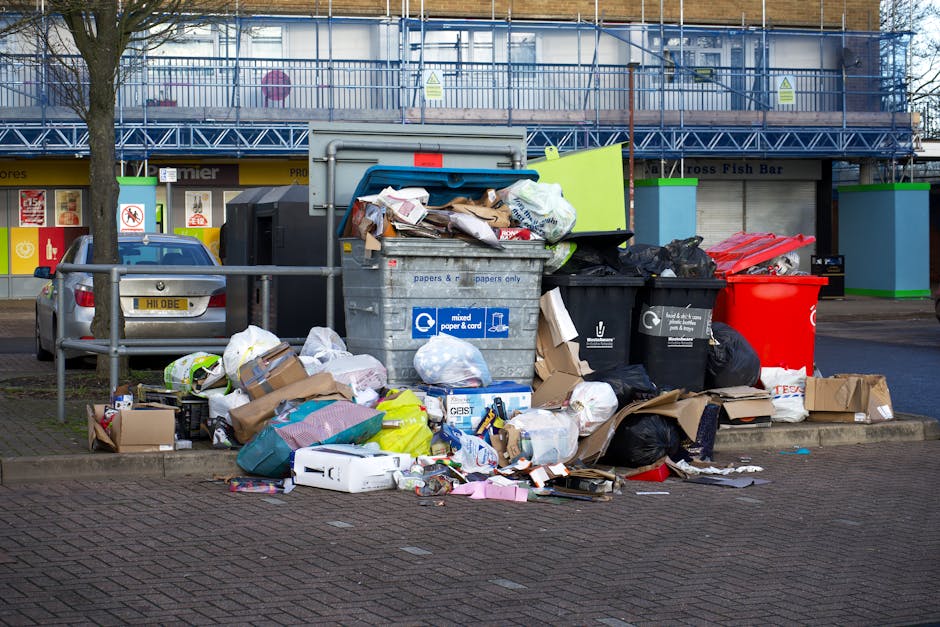
Epping rubbish collection guide for CM16 flats
If you live in a flat in CM16, rubbish can become awkward fast. One week it is a bag of broken household bits, the next it is a mattress, an old wardrobe, or a stack of boxes that should have gone out yesterday. This Epping rubbish collection guide for CM16 flats is here to make the whole thing simpler, calmer, and a lot less messy. Whether you are managing a small one-bed flat, helping a landlord clear a tenancy, or dealing with a bigger shared block, the basic problem is the same: limited space, shared access, and waste that needs removing properly.
In this guide, you will learn how rubbish collection works for flats in Epping, what to watch for in communal buildings, what can usually be removed, where the common trip-ups are, and how to choose a sensible service without overcomplicating things. Straightforward, practical, and local enough to be useful. No fluff.
Table of Contents
- Why Epping rubbish collection guide for CM16 flats Matters
- How Epping rubbish collection guide for CM16 flats Works
- Key Benefits and Practical Advantages
- Who This Is For and When It Makes Sense
- Step-by-Step Guidance
- Expert Tips for Better Results
- Common Mistakes to Avoid
- Tools, Resources and Recommendations
- Law, Compliance, Standards, or Best Practice
- Options, Methods, or Comparison Table
- Case Study or Real-World Example
- Practical Checklist
- Conclusion
- Frequently Asked Questions
Why Epping rubbish collection guide for CM16 flats Matters
Flat living changes the rules. In a house, you can usually put waste out with less planning. In a block of flats, you are dealing with hallways, stairs, shared bin stores, neighbours, parking, and sometimes a management company that would really rather everything stayed neat and quiet. That is why a proper Epping rubbish collection approach matters: it reduces disruption, keeps communal areas usable, and helps avoid the dreaded pile-up by the front door.
CM16 covers a mix of residential settings, and flats often need a more thoughtful system than a one-off kerbside collection. A few bulky items left in a communal corridor can quickly become a fire escape issue or just make the building feel cluttered and neglected. To be fair, nobody wants to step around an old armchair every time they go to the lift.
There is also the timing side. In flats, people tend to notice noise more easily. Luggage wheels clatter on tiled entrance floors, lift doors ping, and bins seem to fill up at the worst possible moment. A good collection plan keeps all of that under control and helps you avoid making a simple rubbish job into a neighbourly headache.
For landlords, agents, and residents, it also supports property standards. A clean block is easier to manage, easier to let, and less likely to attract complaints. If you are clearing a flat after a move, refurbishment, or tenant changeover, it can make sense to combine waste removal with related services such as flat clearance, furniture disposal, or even fridge and appliance removal when old appliances have to go too.
How Epping rubbish collection guide for CM16 flats Works
At a practical level, rubbish collection for flats is usually about matching the right removal method to the type and amount of waste. That sounds obvious, but people often skip the planning step and end up with waste spread across a landing, a lift lobby, and half a parking bay. Not ideal.
For most CM16 flats, the process follows a familiar pattern:
- Identify the waste type. Household rubbish, mixed junk, furniture, white goods, and builders' debris all behave differently.
- Check access. Think about stairs, lift width, parking, loading points, and whether there is a time window for service vehicles.
- Separate anything restricted. Hazardous items, electricals, and anything with special handling needs should be dealt with carefully.
- Choose a collection method. Small loads may suit a basic removal; larger or awkward loads may need a more complete waste removal service.
- Prepare the waste. Bag loose rubbish, break down boxes, and make sure items can be carried safely.
- Book a collection and confirm the plan. This is the bit that saves time. Clear instructions prevent confusion on the day.
In many cases, rubbish collection is quicker when the waste is already grouped by room or by type. A hallway full of mixed bags, cushions, and broken shelving takes longer to sort out than a tidy stack by the front door. It is not glamorous work, obviously, but it is the sort of detail that changes the whole experience.
Where flats involve end-of-tenancy clearance or a full reset, the job may overlap with services like home clearance or house clearance, especially if the flat has been left with furniture, personal items, or mixed junk. For loft storage, garage overflow, or even office-style items brought into a flat, related services like loft clearance and office clearance may be useful too.
Key Benefits and Practical Advantages
Good rubbish collection for Epping flats is not just about getting rid of stuff. It solves several everyday problems at once.
- Less clutter in shared spaces. Corridors, stairwells, and bin stores stay usable.
- Better neighbour relations. Fewer complaints about mess, noise, or blocked access.
- Faster turnaround. Especially helpful during tenancies, refurbishments, or move-outs.
- Safer handling. Heavy or awkward items are removed with less risk of injury.
- Cleaner presentation. Important for landlords, letting agents, and property managers.
- Improved recycling outcomes. Waste can often be sorted more intelligently than a casual throw-out.
There is another benefit people forget: peace of mind. Once the waste is gone, the flat feels bigger. You notice the daylight again, the smell of old cardboard disappears, and the place stops feeling like a temporary storage unit. Small thing, maybe. But it matters.
If sustainability is part of your decision-making, it is worth looking at a provider's approach to materials and sorting. A service with a clear recycling and sustainability focus is usually a better fit for mixed flat waste than a one-size-fits-all solution. For businesses or landlords handling recurring waste, business waste removal can also be relevant, especially when common areas or managed premises generate regular waste streams.
Who This Is For and When It Makes Sense
This guide is useful for a few different people, and each one tends to have slightly different needs.
Residents might need help after a clear-out, a purchase upgrade, or a general "how did I end up with this much stuff?" moment. We have all been there. A spare chair becomes a clothes rail, then a dumping spot, and suddenly the corner is speaking a different language.
Landlords and letting agents often need fast, dependable rubbish collection between tenancies. When a tenant leaves behind bags, broken furniture, or old appliances, delay can slow down cleaning, repairs, and re-letting.
Block managers and freeholders may need recurring support for communal waste overflow, fly-tipped items near bin stores, or bulky waste dumped where it should not be.
Renovators and tradespeople working in flats may need removal for plasterboard offcuts, packaging, stripped fixtures, or mixed debris. For these cases, builders waste clearance can be the more suitable route.
People dealing with a sensitive clear-out may also need discreet handling. That is where services such as confidential shredding can be sensible if paperwork is mixed into the waste, or furniture clearance if bulky items are the main issue.
As a rough rule, if the waste is too bulky for standard bins, too much for a casual tip run, or too awkward to carry safely through a flat building, it probably makes sense to arrange proper collection. Simple as that.
Step-by-Step Guidance
Here is a practical way to handle rubbish collection in a CM16 flat without turning it into a half-day saga.
1. Walk through the flat first
Do a quick room-by-room sweep. Look in cupboards, under beds, behind sofas, on balconies, and in storage nooks. Flats hide waste in funny places. One small box cupboard can somehow hold three broken fans, two lamps, and six bags of packaging.
2. Separate the waste into groups
Make simple piles:
- general rubbish
- bulky furniture
- electrical items
- appliances
- garden or balcony waste
- building or DIY debris
- items for donation or reuse, if suitable
This makes the collection quicker and often cheaper, because the crew can work more efficiently and avoid unnecessary handling.
3. Check building access
Measure lift doors if the waste includes large items. Check where a vehicle can stop safely. Ask whether the block has restrictions on loading bays, service entrances, or collection times. In a shared building, these details matter more than you might think.
4. Put unsafe items to one side
Anything sharp, leaking, broken glass, or potentially hazardous needs special care. If you suspect a chemical, paint, battery, or similar item is involved, do not just bundle it into a general bag. For specialist disposal, a service such as hazardous waste disposal is the safer route.
5. Confirm the removal method
Choose the most suitable service based on volume and type. For example:
- General mixed waste: rubbish collection or waste removal
- Furniture and bulky items: furniture disposal or mattress and sofa disposal
- Appliances: fridge and appliance removal
- Full flat reset: flat clearance
If the waste is fairly straightforward, one booked collection may be enough. If it is a full clear-out after years of accumulation, a broader service is often easier.
6. Prepare the route
Clear paths to the front door. Protect corners if needed. Make sure bags are tied, drawers are emptied, and loose items are boxed. It seems minor, but it avoids the awkward shuffle of trying to carry a wardrobe while also collecting the screws that fell into the hallway.
7. On collection day, keep communication clear
Let the team know about entry codes, concierge procedures, parking restrictions, and any items that should not be moved. Clear information at the start saves time later. Always.
Expert Tips for Better Results
After enough clearances, a few patterns stand out.
- Group by room, not just by waste type. If a crew knows what is coming from the bedroom, kitchen, or storage cupboard, they can work faster and with fewer questions.
- Keep mixed bags manageable. Overfilled bags tear easily on stairs and can make a simple job messy.
- Take photos before booking. Helpful for confirming volume, access issues, and bulky pieces. A quick set of phone photos is often enough.
- Allow a bit of buffer time. Flat collections can take longer than ground-floor jobs because of access, parking, or building traffic.
- Ask about recycling first. If you have metal, cardboard, and reusable furniture mixed together, some items may be diverted more efficiently.
- Do not leave items in communal areas overnight. It is one of those things that feels harmless until it is not. A tidy arrangement is better for everyone.
A small but helpful trick: if you are clearing a flat after a move, keep one bag back for essentials like chargers, documents, keys, and medications before the main waste is removed. Sounds obvious, but in the rush people do forget. Happens more than you would think.
If you are comparing disposal options for large pieces, it can help to review what can go in a skip alongside a removal service. Even when a skip is technically possible, flat access, parking, and loading distance can make manual collection the more practical choice.
Common Mistakes to Avoid
A lot of rubbish collection problems in flats come from the same handful of mistakes.
- Leaving everything until the last minute. That is how hallways end up full of bags at 7pm on a weekday.
- Assuming the lift will handle everything. Oversized furniture may not fit, and forcing it can damage the lift or the item.
- Mixing restricted items into general waste. Electricals, chemicals, and certain appliances may need separate handling.
- Ignoring building rules. Some blocks have strict guidance on where waste can be placed and when collections can happen.
- Using the corridor as a storage zone. It is tempting, but it creates safety and access issues.
- Underestimating volume. One sofa, three boxes, and a bag of bits can be more than it looks.
Another mistake? Thinking every collection is just a "quick job." Sometimes it is. Sometimes it really is not. The difference usually comes down to access and the mix of waste. A one-bed flat on the third floor with no parking space is a different beast from a ground-floor studio with back access.
Tools, Resources and Recommendations
You do not need fancy equipment, but a few practical tools make a big difference:
- Heavy-duty bin bags for loose rubbish and small broken items.
- Marker pens and tape to label bags, especially if multiple rooms are involved.
- Basic gloves for handling dusty or awkward items.
- Box cutters or scissors for breaking down cardboard safely.
- A tape measure if you need to check whether furniture will fit through a lift or stairwell.
- Phone camera for documenting waste volumes and tricky access points.
On the service side, the most useful pages to review are usually the ones that match the exact waste type. For example, waste removal for mixed loads, mattress and sofa disposal for bulky soft furnishings, and furniture disposal for general household pieces.
If your flat waste is tied to a deeper clearance project, you may also find garage clearance and home clearance useful as related references, especially where storage areas have become a bit of a catch-all.
Expert summary: The best rubbish collection in a CM16 flat is the one that respects access, separates risky items early, and keeps communal spaces clear. If that sounds boring, good. Boring is often what makes the process smooth.
Law, Compliance, Standards, or Best Practice
Rubbish collection in flats has a straightforward but important compliance angle. You do not need to become a legal expert, but you do need to stay sensible. In the UK, waste should be handled by an appropriate carrier, and anyone arranging removal should be careful about where the waste ends up. If you are a resident, landlord, or agent, do not assume that dumping items in a shared bin store is acceptable just because they are out of sight.
In flat buildings, common best practice includes:
- keeping fire exits and corridors clear
- avoiding blocked communal entrances
- separating hazardous or specialist waste
- using insured and competent removal help where necessary
- keeping records for managed properties when waste removal is arranged on behalf of occupants
If waste includes confidential paperwork, it should be treated accordingly rather than simply bagged with household rubbish. If you are dealing with broken appliances, batteries, liquids, or anything with sharp edges, extra care is the norm. The same applies to renovation waste, which can be heavier and more awkward than people expect.
For peace of mind, it is sensible to review service information such as insurance and safety and health and safety policy when choosing a provider. Those pages help you understand how seriously a company takes the practical side of the job, which matters a lot when lifts, stairs, and shared spaces are involved.
Pricing and terms also deserve a look. A clear quote process, straightforward pricing and quotes, and transparent terms and conditions make everything easier when comparing options. No one enjoys hidden surprises on collection day. Not at all.
Options, Methods, or Comparison Table
Different flat waste scenarios call for different solutions. Here is a simple comparison to help you choose the right route.
| Method | Best for | Strengths | Limitations |
|---|---|---|---|
| Bagged rubbish collection | General household waste and light mixed junk | Quick, tidy, flexible | Not ideal for large furniture or heavy debris |
| Flat clearance | End-of-tenancy clear-outs or fuller removals | Handles more item types in one visit | Usually needs better planning and access details |
| Furniture disposal | Sofas, chairs, tables, wardrobes | Useful for bulky items | May not suit mixed rubbish loads on its own |
| Fridge and appliance removal | White goods and electrical appliances | Safer for larger appliances | Not a complete solution for mixed waste |
| Builders waste clearance | DIY debris, renovation offcuts, rubble | More suitable for heavy, dusty material | Not designed for normal household rubbish |
If you are choosing between methods, ask one practical question: what is actually taking up space? If it is mostly furniture, use a furniture-focused service. If it is a full flat reset with mixed waste, flat clearance is usually the cleaner option. If it is just a few bags and a broken bedside cabinet, simple waste removal may do the trick.
Case Study or Real-World Example
Picture a typical CM16 flat clearance on a damp Tuesday morning. Nothing dramatic. Just one of those days where the sky is grey, the stairs feel a little narrow, and the flat has gradually become home to far more stuff than anyone intended.
The resident had a sofa to remove, several black sacks of general rubbish, a broken office chair, cardboard from a recent delivery, and an old fridge in the kitchen. The main challenge was not the waste itself; it was the access. The building had a shared entrance, a small lift, and limited parking outside. The hall was tidy, but only just.
The job went smoothly because the waste was sorted before collection. The heavier item was identified in advance, the route to the front door was cleared, and the fridge was handled separately. The result was a faster removal, fewer back-and-forth trips, and no pile-up in the communal hallway. The resident said the flat felt "oddly spacious" afterwards. That is a real thing, by the way. You notice the echo a bit more once the clutter leaves.
What made the difference? Planning. Not fancy planning, just the honest kind that says, "Here is what we have, here is how we will move it, and here is what needs special care."
Practical Checklist
Use this checklist before booking rubbish collection for a CM16 flat:
- Identify all waste items, including hidden storage items
- Separate general rubbish from furniture, appliances, and hazardous waste
- Check lift size, stair access, and parking restrictions
- Clear the route from the flat to the exit
- Bag loose waste securely and label anything important
- Measure large furniture if you are unsure about access
- Confirm whether you need flat clearance, furniture disposal, or waste removal
- Remove valuables, documents, and essentials first
- Ask about recycling and item handling where relevant
- Have building entry details ready for collection day
If you can tick most of those off, you are already ahead of the curve. Honestly, that is often half the battle.
Conclusion
Rubbish collection for flats in Epping does not need to be stressful. The main thing is to treat it like a shared-space job, not just a household chore. Once you think about access, item type, building rules, and safe handling, the whole process becomes much easier to manage. And in CM16 flats, that extra bit of care goes a long way.
The best outcomes usually come from simple, sensible decisions: sort the waste early, choose the right service, keep communal areas clear, and make sure anything unusual is handled properly. Whether you are clearing a studio, a family flat, or a rental property between tenancies, a clean and organised removal plan saves time and frustration. It also saves that awkward moment when someone in the building asks, politely but firmly, whose chair is now sitting by the bin store.
Get a free quote today and see how much you can save.
Sometimes the nicest part of a clearance is not the removal itself. It is the quiet after it, when the flat feels lighter and the space starts to feel like yours again.
Frequently Asked Questions
What is the best rubbish collection option for a flat in CM16?
It depends on the waste. For a few bags of mixed rubbish, basic waste removal may be enough. For a fuller job, flat clearance is usually better. If bulky furniture is the main issue, furniture disposal is the more sensible fit.
Can rubbish be collected from a flat if there is no lift?
Yes, but access matters. Stairs make the job slower and may affect how the removal is planned. If you have heavy items, tell the provider in advance so the collection can be organised safely.
Do I need to sort recycling before booking a collection?
It helps, but it is not always essential. If you can separate cardboard, metal, furniture, and general rubbish, the process is usually smoother and may support better recycling outcomes.
What should I do with old appliances in a flat?
Old appliances should be handled carefully, especially fridges and white goods. A dedicated service such as fridge and appliance removal is often the safest route.
Can I leave rubbish in the communal hallway before collection?
It is usually better not to. Shared corridors and entrances should stay clear for safety and neighbour access. If items need to be staged, do it only where the building rules allow and for the shortest practical time.
How do I know whether I need flat clearance or waste removal?
If you have a few bags or some loose junk, waste removal may be enough. If the flat contains multiple furniture items, appliances, or a fuller end-of-tenancy load, flat clearance is often the better choice.
What happens if I have confidential papers mixed in with waste?
Keep them separate and arrange proper shredding rather than putting them in general rubbish. Confidential shredding is the safer option when documents need secure disposal.
Is it okay to include DIY rubble with household rubbish?
Usually not. Heavy builders' material is better dealt with through builders waste clearance. Mixing it with normal household rubbish can create handling problems and may not be appropriate.
How far in advance should I arrange collection?
As early as you can, especially if the flat has awkward access or you need the removal done around a move-out or refurbishment. A bit of notice helps with planning and avoids last-minute stress.
Are there special concerns for sofa and mattress disposal in flats?
Yes. Sofas and mattresses are bulky, awkward in stairwells, and often best handled with a dedicated mattress and sofa disposal service so they are removed safely and efficiently.
Can a rubbish collection service help with a full end-of-tenancy clear-out?
Absolutely. That is one of the most common reasons flats need waste removal. A full clear-out may also involve furniture clearance, appliance removal, and a general tidy-up of leftover items.
What if I am not sure how much waste I have?
Take a few photos and make a rough list room by room. That is usually enough to judge whether you need a simple collection or something more comprehensive. When in doubt, a slightly fuller description is better than guessing.
What should I look for in a trustworthy waste service?
Look for clear pricing, safety information, sensible handling of different item types, and transparent terms. Pages like pricing and quotes, insurance and safety, and terms and conditions are helpful indicators of how the provider works.