Commercial Waste Epping — Health & Safety Policy
 This Health and Safety Policy describes the commitments and practical controls adopted by our commercial waste operation to protect employees, contractors and the public. It applies to all commercial waste services in Epping and neighbouring service areas and covers rubbish collection, transfer, storage and disposal activities. The policy aligns with statutory expectations and recognised industry standards and is designed to prevent harm, reduce environmental impact and ensure reliable, safe delivery of commercial rubbish and waste management services across our operating area.
Our approach combines risk assessment, planned controls and monitoring. Management is accountable for establishing the policy, allocating sufficient resources and ensuring that systems for training, emergency response and incident investigation are effective. All personnel are expected to co-operate with safety measures and to report hazards promptly. This policy underpins day-to-day decisions from vehicle loading to site traffic management and workplace housekeeping across commercial rubbish collection services.
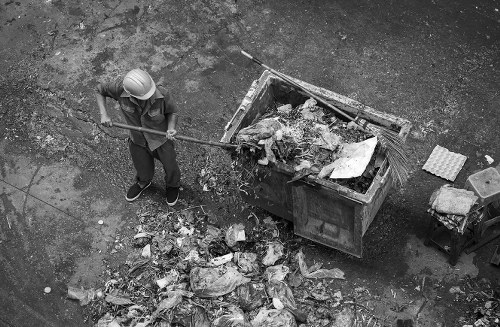 Risk assessments are carried out for collection routes, transfer stations and depot activities to identify hazards such as manual handling strain, moving vehicles, sharps, chemical exposure and confined spaces. Where risks are identified we apply a hierarchy of controls — eliminate the risk where possible, substitute processes, introduce engineering measures, implement administrative controls and provide suitable PPE. These measures are applied consistently across waste types including general waste, recyclable streams and regulated or hazardous waste.
Scope, Roles and Responsibilities
- Management: ensures policy implementation, resource allocation and legal compliance.
- Supervisors: coordinate operations, deliver briefings and verify controls are in place.
- Operatives: follow safe systems, use PPE and report defects or near-misses.
Staff competence is sustained through a structured induction, job-specific training and periodic refresher sessions. Training covers safe lifting techniques, correct use of lifting and handling aids, operation of compactors and plant, route risk awareness and hygiene when handling contaminated or soiled items. We document training outcomes and maintain records of qualifications and licences for drivers and equipment operators as part of our compliance framework for commercial waste delivery and rubbish collection services.
Communication and supervision are emphasised through pre-shift briefings, toolbox talks and clear escalation routes. Crew leaders must ensure tasks are planned, that operatives understand site restrictions and emergency procedures, and that work is stopped if unsafe conditions are encountered. We operate a formal incident and near-miss reporting system that drives corrective actions and continuous improvement across all aspects of the rubbish collection and waste management operation.
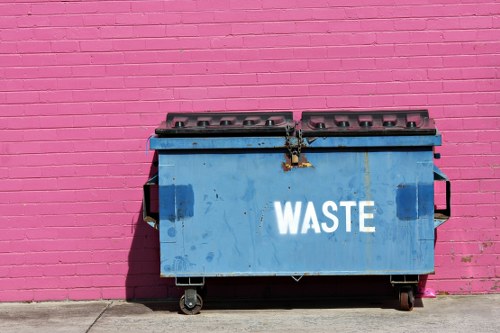 Vehicle and equipment safety is managed via scheduled inspections, maintenance records and operator competency checks. Vehicles are fitted with appropriate safety devices such as reversing alarms, cameras, secure load-locking and signage. Transfer stations and customer sites are assessed for traffic segregation, pedestrian exclusion zones and safe loading practices to reduce the risk of collisions and manual handling injuries during commercial waste operations.
Hazard Controls, Emergency Response and Compliance
Hazardous or controlled waste streams are handled under specific protocols that include segregation, containment, labelling and documented chain-of-custody. Staff tasked with these duties receive enhanced training including asbestos awareness, spill response, chemical safety and biohazard controls. Contractors and subcontractors must meet our safety criteria and provide evidence of competence before undertaking site-based tasks involving regulated wastes or specialist equipment.
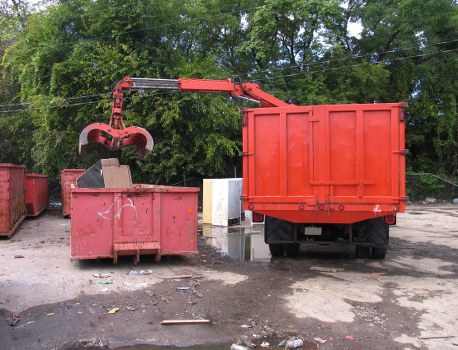 We maintain a robust incident management and emergency response plan to ensure timely action in the event of spills, injuries or vehicle incidents. Crews are trained in scene control, basic first aid and securing sites to protect the public. Incident investigations identify root causes and corrective actions which are recorded and tracked to completion to prevent recurrence across the commercial waste network.
 Monitoring, auditing and continual improvement are central to this policy. We carry out regular compliance audits, review safety performance indicators and set measurable targets for reduction of injuries, incidents and environmental non-conformances. Senior management reviews the policy annually or when significant operational or legislative changes occur. Through workforce consultation, regular communication and transparent recordkeeping we aim to maintain a resilient, safe and responsible waste collection and rubbish removal service for customers and communities.
