Complaints Procedure for Commercial Waste Epping
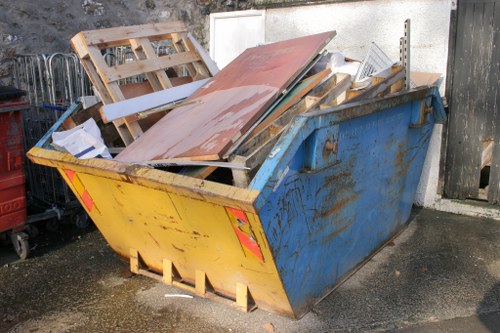 Purpose and scope. This document sets out the formal complaints procedure for disputes and concerns about commercial waste services in the Epping service area. It applies to all commercial rubbish collections, waste disposal agreements, recycling services and ancillary environmental management activities provided by the company. The procedure is designed to be clear, impartial and timely, and is intended for use by any business customer, property manager or authorised representative who receives commercial waste collection or skips, or who contracts for ongoing commercial waste management in Epping and surrounding service zones.
The policy recognises the need to resolve issues efficiently and to maintain documented records of each complaint and its outcome. Complaints may relate to missed collections, contamination of recycling loads, damage to property, billing disputes, alleged non-compliance with waste regulations or the behaviour of collection staff. The aim is to investigate facts, identify corrective measures and, where appropriate, propose remedies that are lawful, proportionate and consistent with contractual terms.
 Making a complaint. Any complaint should be raised as soon as reasonably practicable after the event giving rise to concern. A complaint may be submitted in writing and should include the date, time and nature of the incident, references to the relevant service agreement or invoice where available, and the preferred outcome sought by the complainant. The company will acknowledge receipt of the complaint and confirm the next steps. We treat every complaint with confidentiality and will only share information on a need-to-know basis during the investigation.
Initial assessment and acknowledgement
On receipt, the complaint is logged in the complaints register and allocated to an appropriate case officer for an initial assessment. The assessor will determine whether the complaint concerns health and safety, environmental risk or contractual performance, and whether any immediate remedial action is required to prevent further harm. A formal acknowledgement will be provided within a defined timescale and will specify the expected time for a substantive response. Investigation process. The investigation will include a review of operational records, vehicle logs, staff statements and any photographic or CCTV evidence that may be relevant. Where necessary, third-party reports (for example, from licensed waste carriers, recycling facilities or independent auditors) may be sought. The investigation is conducted with impartiality and aims to determine facts rather than to assign blame prematurely. Findings and any proposed corrective actions are recorded in the complaint file.
Remedies and corrective action
Where the investigation establishes that the company failed to meet contractual or regulatory standards, appropriate remedies will be proposed. Remedies may include re-scheduling a missed collection, crediting or adjusting invoices, providing replacement bins, carrying out property reinstatement where damage is attributable to our operations, or implementing process changes to prevent recurrence. Remedies are provided in a manner that is fair and proportional to the loss or inconvenience sustained.Escalation and review. If a complainant is not satisfied with the outcome of the initial investigation, the matter may be escalated to a senior manager or an internal review panel. The escalation request should set out the specific grounds of dissatisfaction and any additional evidence. The review will be conducted by personnel who were not involved in the original investigation to ensure independence and will focus on whether the earlier process was followed correctly and whether the remedy offered was appropriate.
Timeframes. The company aims to resolve most complaints within a reasonable period. Where a complete investigation cannot be completed promptly due to the need for further information or third-party involvement, the complainant will be updated with progress and an anticipated resolution date. Timeframes are designed to be consistent with good commercial practice and regulatory expectations.
 Record-keeping and learning. All complaints and associated records are retained in accordance with applicable retention policies and used to drive continuous improvement. Trends are analysed periodically to identify recurring issues in commercial rubbish collection, waste handling or customer communication. Lessons learned inform training, operational changes and policy updates so that service quality across the Epping commercial waste portfolio is improved and risks are reduced.
Rights, responsibilities and final remarks
Complainants are expected to provide accurate information and to cooperate with reasonable requests for clarification during the investigation. The company reserves the right to refuse or discontinue complaints that are frivolous, vexatious or abusive in nature. Conversely, the company commits to treating every genuine complaint with impartiality and to providing a reasoned response. The procedure is a formal channel for dispute resolution and is supplementary to any contractual dispute resolution mechanisms already agreed between the parties.Key stages at a glance:
- Receipt and acknowledgement — logging and assignment.
- Initial assessment — risk and scope identification.
- Investigation — evidence gathering and analysis.
- Decision and remedy — proportional corrective action where due.
- Escalation and review — independent reconsideration if required.
- Closure and learning — record retention and continuous improvement.
Legal and regulatory context. This complaints procedure complements statutory obligations regarding waste management and environmental protection. It is intended to promote accountability and to support lawful, sustainable commercial waste operations across service areas that include Epping. By maintaining transparent procedures and consistent record-keeping, the organisation demonstrates its commitment to compliance, customer care and the responsible management of commercial waste services.
