Commercial Waste in Epping for reliable business collections
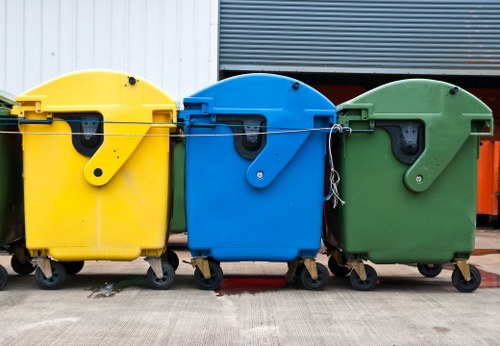
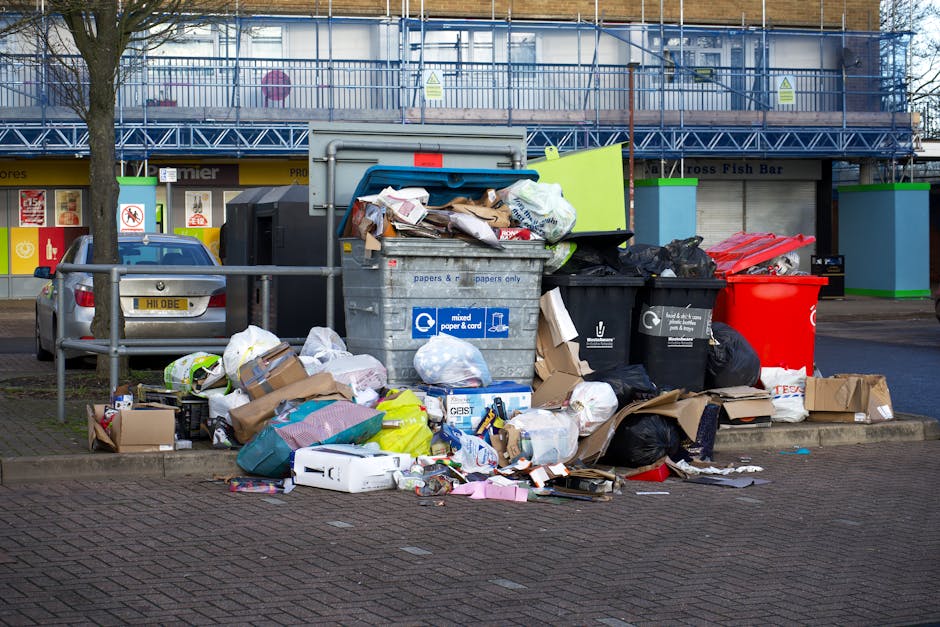
Commercial waste in Epping needs a practical, well-organised service that fits day-to-day trading, planned clear-outs and changing volumes of rubbish. Our business waste removal work covers general non-hazardous commercial refuse, recyclable materials, office clearances and mixed loads from premises that need a tidy, lawful way to move waste on. The focus is on collecting materials safely, separating what can be recovered where possible, and helping premises keep on top of clutter without interrupting work more than necessary.
We work with a range of waste types commonly found in shops, offices, storerooms, workshops and hospitality settings. That can include packaging, cardboard, broken fixtures, redundant furniture, paper records for confidential destruction, old appliances and bulky items that are no longer fit for use. Commercial waste is not just about taking things away; it is also about choosing the right route for each material so that reuse, recycling and disposal are handled sensibly. If you need a clearer picture of what is covered, you can review our business waste removal service and the related collection options.
When a site is busy, it helps to have a service that keeps instructions straightforward. A simple description of the waste, the access available and the amount to be removed is usually enough to begin planning. If you would like to compare job scope before booking, take a look at our pricing and quotes information and then request a quotation when you are ready.
Business waste collection built around working premises
Business waste collection is most useful when it fits the way the premises operate. Offices may need periodic removal of bags, paper and redundant equipment; retail units may need packaging, display items and back-room clutter taken away; and service businesses may need mixed waste cleared without disrupting staff or customers. The service is designed to handle that variety in a straightforward way, with collections arranged to suit the amount and type of material involved rather than forcing every job into the same pattern.
For premises that generate regular waste, consistency matters. Materials need to be handled in a way that supports clear storage areas, safe walkways and simple loading. We can help with recurring waste streams as well as one-off clearances after stock changes, refurbishments or internal reorganisations. If your requirement includes items that should be destroyed securely, our confidential shredding page explains a linked service for paper-based material that needs careful handling.
What this service commonly covers
The exact mix will vary from one site to another, but common commercial waste collections often include a combination of loose refuse and bulky items. A practical load might involve sacks, cartons, old shelving, unwanted desks, chairs or redundant counters, provided the contents are suitable for the agreed collection. Where a project includes different types of material, separating them in advance can make the work easier and may improve the route taken for recovery or disposal. If the premises also need appliance removal, you can use our fridge and appliance removal page for that specific category.
Office clearances and sensitive material handling
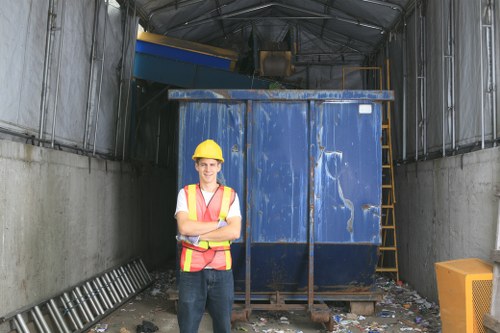
Office waste often includes a mix of paper, archive boxes, furniture, electronics and fittings that are no longer needed. Clearing these items properly helps free up storage rooms, keep desks and corridors usable, and reduce the build-up of redundant equipment. Our office clearance work is intended for premises that want a methodical removal rather than an improvised one-off shift. Where the job involves larger items such as desks or cabinets, these can be removed alongside smaller refuse as long as the load is agreed in advance.
Some office clearances also involve data-bearing paper, binders or files that must not be left unsecured. In those cases, the process needs to be handled carefully so that the waste is treated appropriately rather than mixed in with ordinary rubbish. This is where a linked service such as confidential shredding may be useful alongside wider office clearance. It is a sensible option when the practical aim is to reduce clutter without losing control of sensitive paperwork.
Before you ask for a quotation, it helps to note the approximate quantity and the main item types involved. A short list is usually enough: desks, chairs, boxed paper, printers, shelving, small electricals and any restricted material that needs special attention. Clear, simple information makes it easier to match the collection to the actual waste and avoid unnecessary back-and-forth. If you prefer to review the wider service structure first, the office clearance page gives a useful service overview.
House and flat clearances for mixed domestic-commercial needs
Although this page focuses on commercial waste in Epping, some projects involve mixed premises or landlord-managed spaces where household-style items and business waste appear together. In those cases, a broader clearance approach can be more practical than trying to split everything into separate jobs. Items from flats, managed properties and small mixed-use units may include furniture, soft furnishings, general rubbish, kitchen appliances and stored belongings that need to be taken away in an orderly way.
For larger contents removals, we can help with collections that involve roomfuls of unwanted goods rather than isolated single items. That can be relevant when a rented unit changes hands, a small office sits above a shop, or a storage room contains both personal and business materials. You can compare the relevant pages, such as house clearance and flat clearance, if you want to see how broader clearance work differs from a straightforward commercial collection.
The main point is to identify the waste honestly and keep the load within the agreed scope. A clear description of the items helps avoid delays, especially where stairs, narrow access or mixed materials are involved. If you need a practical starting point, the home clearance page may also help where the premises are partly domestic and partly business in character.
Bulky items, furniture and appliance removal
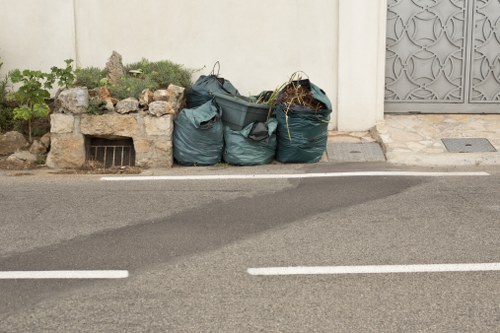
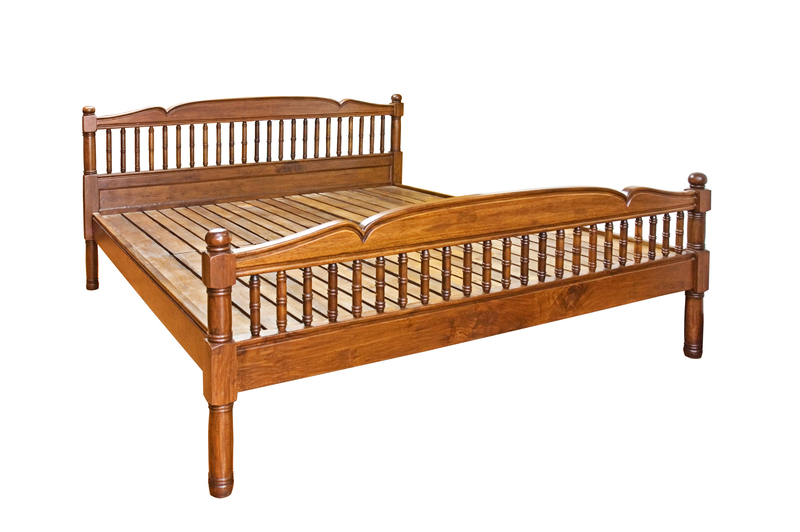
Many business premises do not need a full clearance every time; they simply need bulky items removed because the stockroom, office or reception area is being reconfigured. Furniture removal is often part of that process. Desks, chairs, storage units, reception furniture, tables and some soft furnishings can usually be handled as part of a planned collection where access is suitable and the items are listed clearly. Our furniture disposal and related removal services are useful when the main issue is getting rid of large objects that are difficult to move internally.
Appliances are a separate category and may need different handling depending on their size and condition. Fridges, freezers and other electrical units should not be treated as ordinary rubbish, especially where refrigerants or electrical components are involved. If your site needs those items removed along with general waste, the fridge and appliance removal service explains that part of the work. For upholstered items such as sofas or mattresses, there is also the option of using the specific mattress and sofa disposal page where that is the main category.
- Office and reception furniture
- Storage units and shelving
- Electrical items and appliances
- Soft furnishings and bulky mixed waste
Garden, garage and outdoor waste for commercial premises
Not every commercial site is indoors. Some businesses have yards, storage areas, planting beds or boundary spaces that accumulate cuttings, broken items and general outdoor waste. Garden clearance can include branches, soil, overgrowth, bagged green waste and worn materials from external areas that need tidying. For premises with a yard, a rear store or a staff parking area, keeping the outside space clear can be as important as organising the inside rooms.
Garage and outbuilding clearances are often helpful where a property contains tools, redundant stock, mixed storage and items left behind after refurbishment or relocation. These spaces tend to collect awkwardly shaped objects that are hard to remove in a single trip, so a structured clear-out is often the easiest approach. You can review garage clearance if the main problem is a crowded store area, or use garden clearance where the job is mainly external waste rather than internal contents.
Outdoor collections can also include items that became unusable after weather exposure, routine maintenance or landscaping changes. The best results come from separating green waste from general debris where possible, then agreeing the load before collection. This keeps the process efficient and helps ensure the right handling route is used for each part of the waste.
Builders waste and light refurbishment clearances
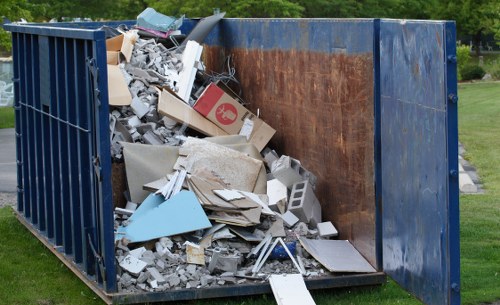
Commercial waste removal often overlaps with renovation work. When a shop, office or workspace is being improved, builders waste can build up quickly in the form of plasterboard, timber offcuts, packaging, broken fixtures, tiles and other non-hazardous debris. These materials need removing so that trades can keep working safely and the site can remain usable. Our builders waste clearance is suitable for light refurbishment jobs and internal projects where the waste is varied but straightforward.
It is useful to identify whether the material is inert, recyclable or mixed before the collection takes place. That helps the load be organised in a sensible way and avoids surprises when a room contains everything from broken fittings to leftover packaging. If the work is connected with fitting out a new premises or restoring a tired one, the builders waste clearance page gives a direct route to that service, while the broader waste removal page covers general collection options.
For projects that include a lot of cardboard, wrapping or pallet material, it is worth keeping those items together if practicable. The aim is not perfection; it is simply to make the collection as tidy and efficient as the site allows. Where the waste includes reusable furniture or equipment, separating those items may help decide whether a removal, disposal or different handling route is most suitable.
What affects the quotation for commercial waste removal
Quotation details are normally shaped by the amount of waste, the item types, access to the collection point and whether the job includes any specialist handling. A single load of sacks is different from a mixed clearance with desks, shelving and electricals. Likewise, waste stored on the ground floor near a loading point is easier to remove than material spread through upper rooms or narrow corridors. These practical factors matter because they affect the time, vehicle space and handling required.
To make the process smoother, it helps to provide a concise description of the waste, along with anything that could affect loading. If there are stairs, restricted access, time windows or separate material types, mention them early. That said, you do not need to write a long brief; a short and accurate summary is usually enough. If you want to compare how different kinds of collection are priced, our pricing and quotes information is a useful place to start before you request a quotation.
Once the load is understood, the next step is simply choosing the most suitable service route. For some sites that will be a one-off clear-out; for others it will be a repeat collection pattern that keeps waste under control. Practical planning matters more than complicated explanations. Please request a quotation when you are ready, and keep the description focused on the waste itself.
Recycling, disposal and responsible handling
Commercial waste does not all go the same way. Some materials may be suitable for recycling, some need specialist destruction, and some are best handled as general non-hazardous waste. The aim is to sort the load sensibly so that recoverable material is not mixed unnecessarily with items that cannot be reused. That approach is useful for paper, cardboard, certain furniture, some appliances and other mixed office or shop waste where the material type is clear.
Where sustainability is a concern, it is helpful to choose a collection service that considers the destination of the waste rather than just the removal itself. Our recycling and sustainability page explains the general approach to recovering suitable material. For items that must not be reused and should be dealt with carefully because of their contents or condition, the route may be different and should be chosen according to the item type rather than assumed in advance.
It is also sensible to separate hazardous or restricted materials from ordinary commercial waste. Paints, chemicals and other controlled substances should not be left mixed with everyday rubbish. If your job includes such material, use the relevant specialist page rather than adding it to a general load. That keeps the collection clear, lawful and easier to organise from the outset.
About Epping

Epping is a market town in Essex, lying on elevated ground on the edge of Epping Forest and serving as a historic settlement with strong links to the surrounding wooded landscape. The High Street forms the centre of the town, where timber-framed buildings, later shopfronts and civic structures sit alongside everyday local uses. The town’s position on the old route between London and East Anglia helped shape its development, and that longer history can still be sensed in the street pattern and the mixture of older and newer buildings. Epping also sits within a wider landscape of forest, commons and rural edges, so the town has long combined market functions with access to open land. Epping Forest itself is one of the most notable features of the area, offering ancient woodland, paths and clearings that have mattered culturally and ecologically for centuries. The nearby Central line terminus at Epping gives the town a direct transport connection to London, while local roads link it to neighbouring settlements in west Essex and the Lea Valley. In the town centre, independent shops, community facilities and traditional public spaces give the place a compact commercial character, but beyond that centre the surroundings quickly become greener and more residential. The mix of heritage, accessibility and wooded setting is part of what defines Epping as a distinct place in the county.
Arrange commercial waste removal with a straightforward enquiry
If you are sorting a site clean-up, a routine business collection or a mixed clearance, it usually helps to begin with the basic facts: what needs removing, how much there is and where it is located on the premises. That gives a clearer basis for the quotation and helps avoid unnecessary changes later. The service can then be matched to the load, whether it is office waste, furniture, packaging, appliances or a broader commercial clear-out.
For many customers, the main decision is simply whether the job should be treated as a single removal or split into more specific service types. The pages for business waste removal, office clearance and waste removal can help with that choice. Once you have checked the relevant service route, please request a quotation and we will take it from there.
Our aim is to keep the process practical, clear and easy to organise from the first enquiry through to collection. If your premises need a sensible way to deal with commercial waste in Epping, start with the details you know and ask for a quotation today.